
Chasing the Sunset: A Short Walk to the Wainstones from Clay Bank on the cleveland way
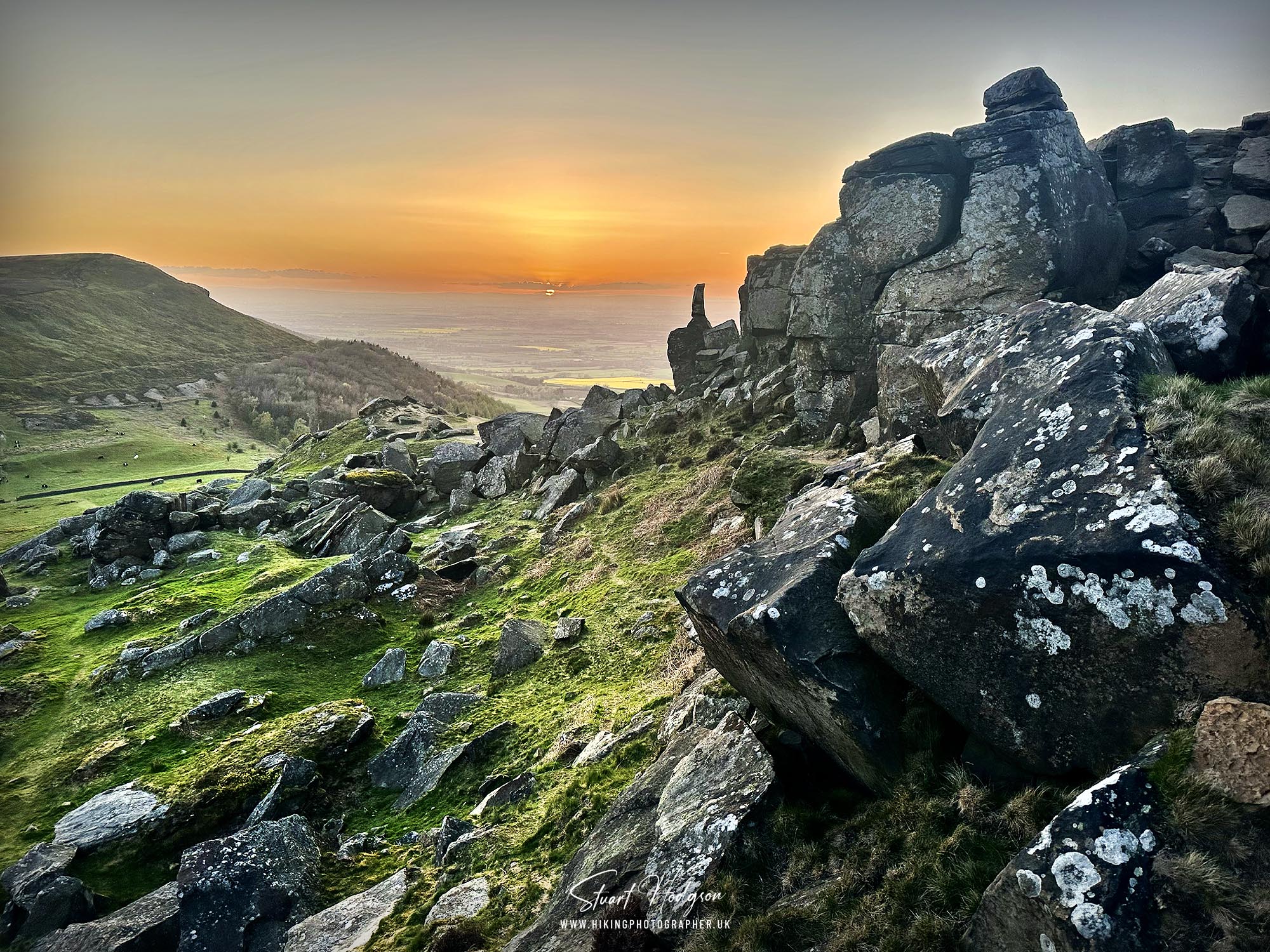
A walk to the Wainstones is great any time of year and day and highly recommended. However there’s something magical about the North York Moors when the sun begins its slow descent—casting golden hues across the Cleveland Hills and for this particular walk write up I decided to do this familiar route to me on an evening as the Wainstones makes for a perfect sunset walk destination as the sun sets behind this primordial rocky landscape.
WALK OVERVIEW:
DISTANCE: 3.5 miles
TIME: 1.5-2 hours
TOTAL ASCENT: 804ft
DIFFICULTY: MODERATE

WAINSTONES WALK MAP ROUTE – CIRCULAR WALK
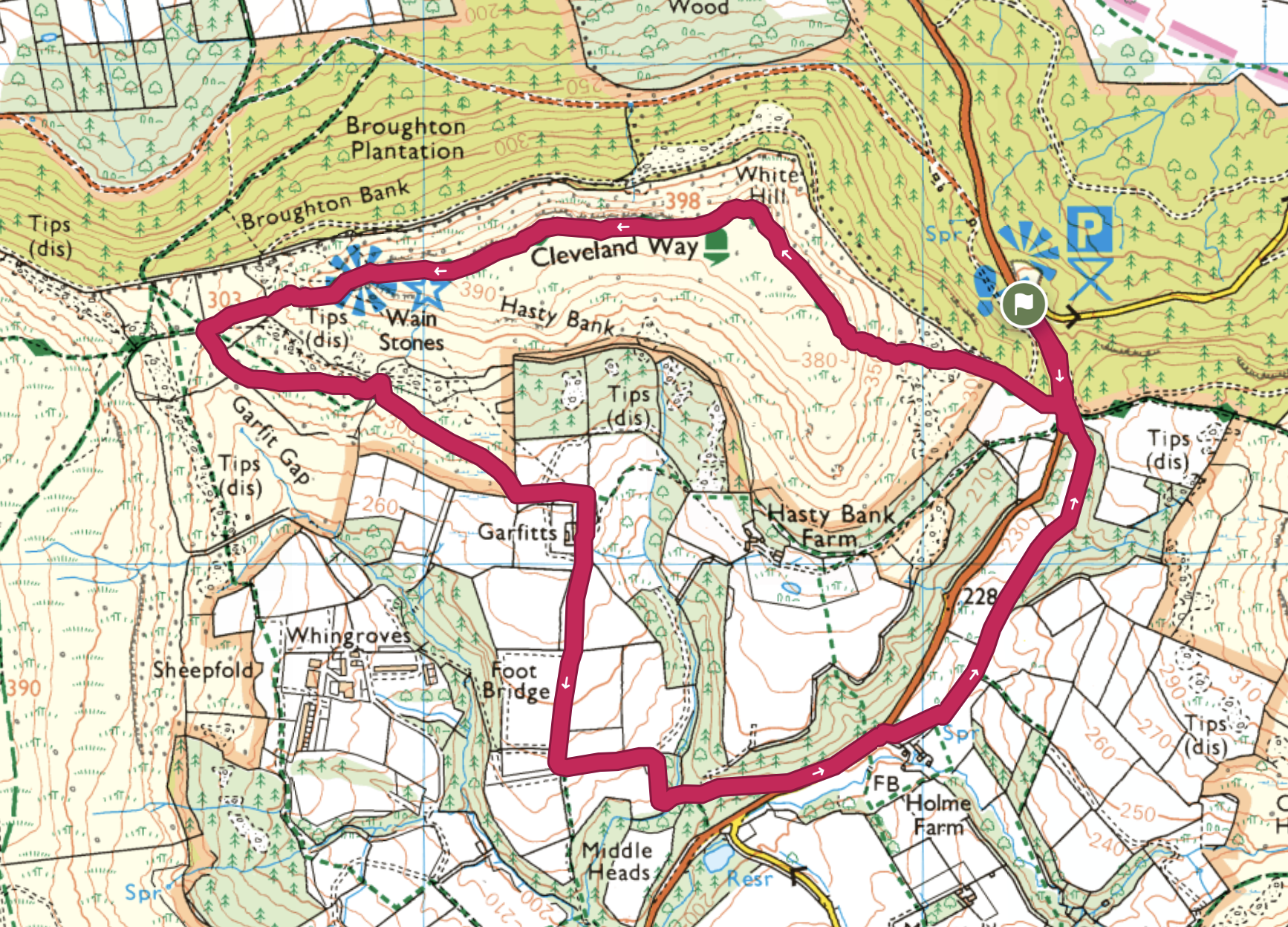
When sharing walking routes I always like to share circular routes and this one is a beauty shortish route of 3.5 miles. You can park the car either on the roadside (if you are lucky and grab a spot) or at the pay and display car park on Clay Bank (where this route starts from). You are on the Cleveland Way in no time and head up the steepish steps at Hasty Bank – and then the path flattens right out and it’s a leusurely walk to the Wainstones for an explore. From here you can then head down into Garfit Gap, then onto Middle Heads and past Holme Farm. You can shorten the circualr route by instead heading to Hasty Bank Farm instead of Holme Farm, or if you are chasing the sunset too – then simply retrace your steps from the Wain Stones after sun down to return a familar way.
EVENING WAINSTONES WALK PHOTOS
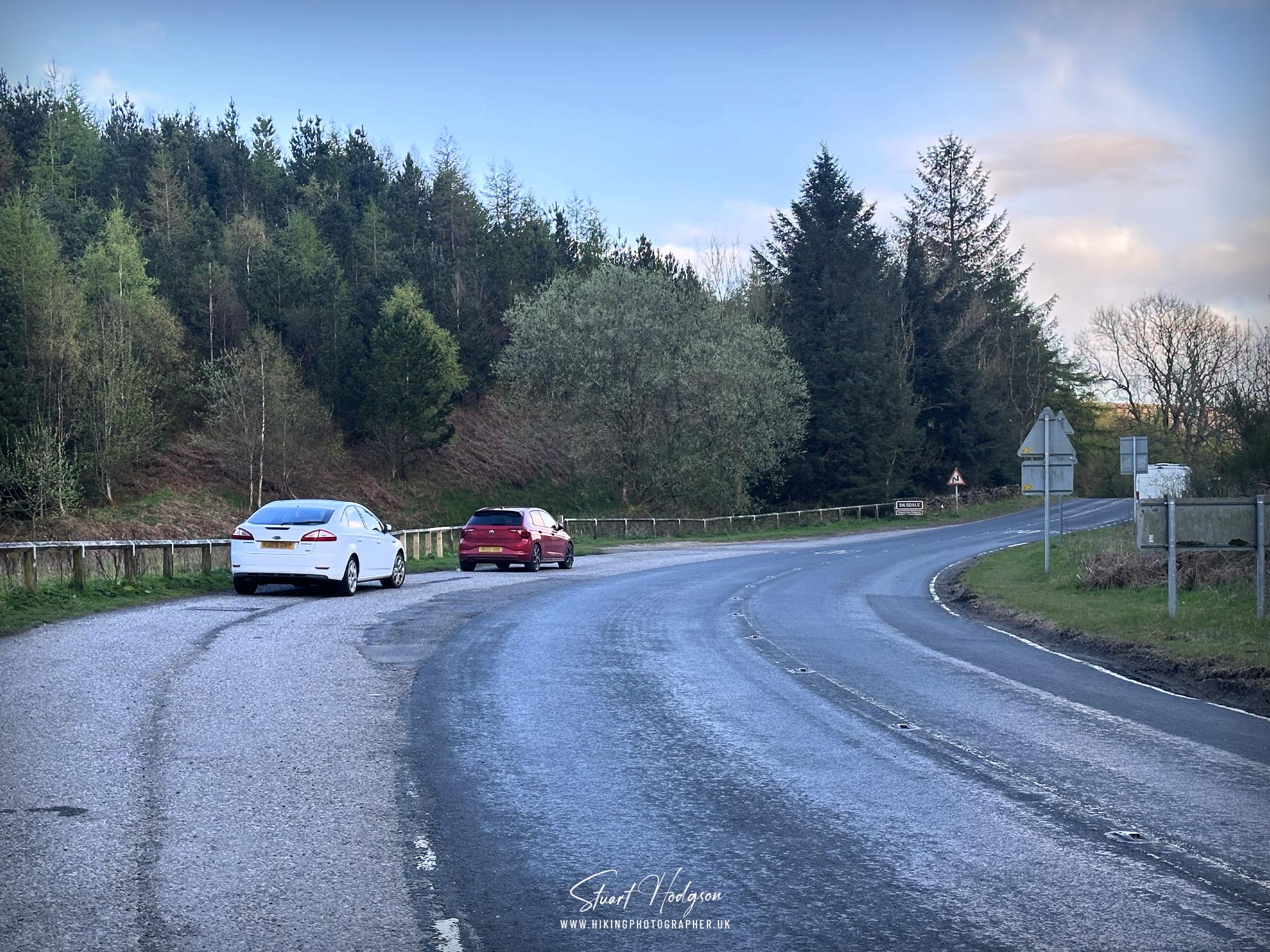
If you are lucky you may be able to park on the roadside for free which is about 50m up the road from the Pay & Display at Clay Bank. As this walk is on an evening – it’s easy to bag a spot here and save a few quid.
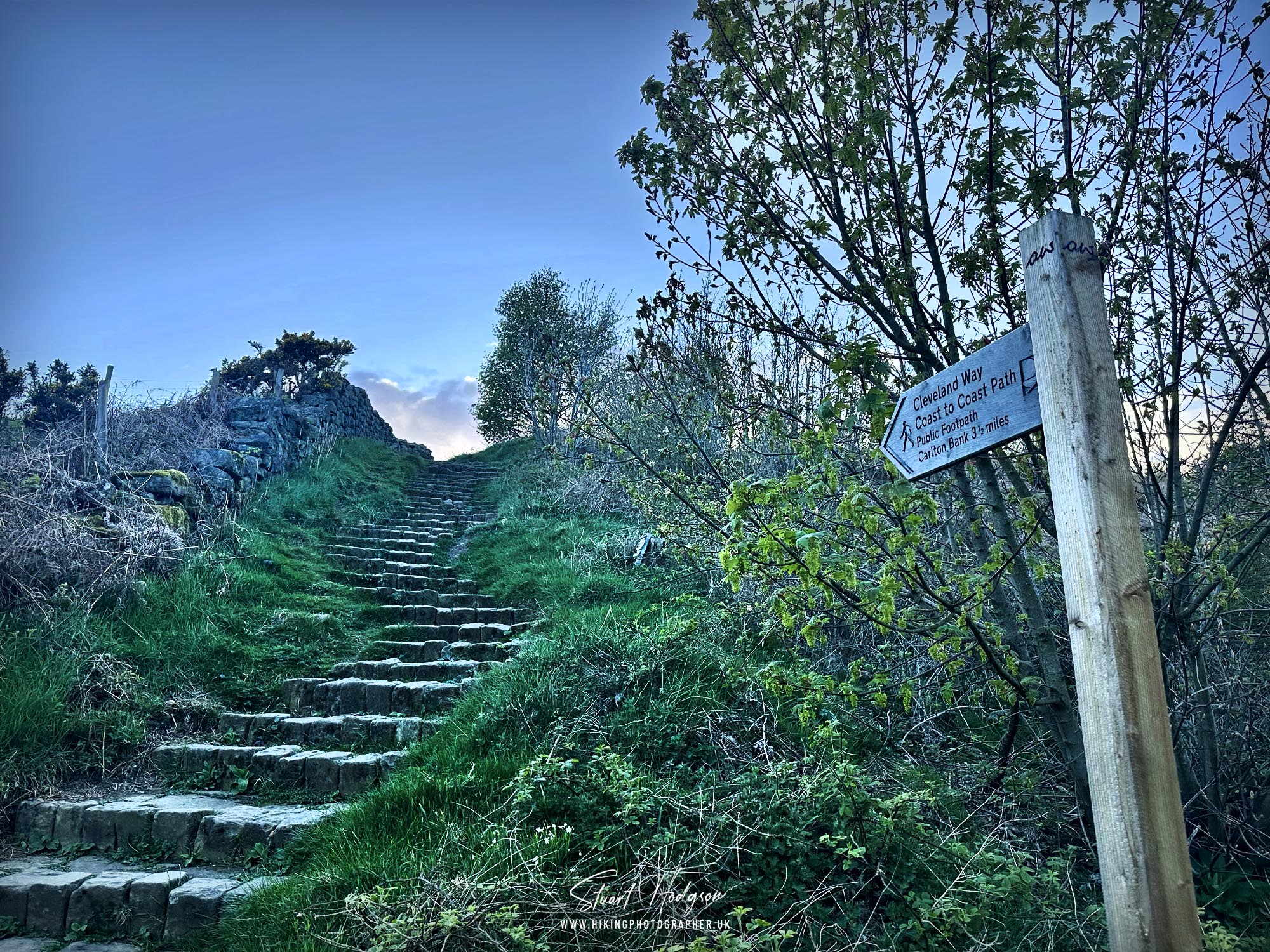
You are on the Cleveland Way pretty much straight away and it’s stone steps at the start to get the blood pumping!
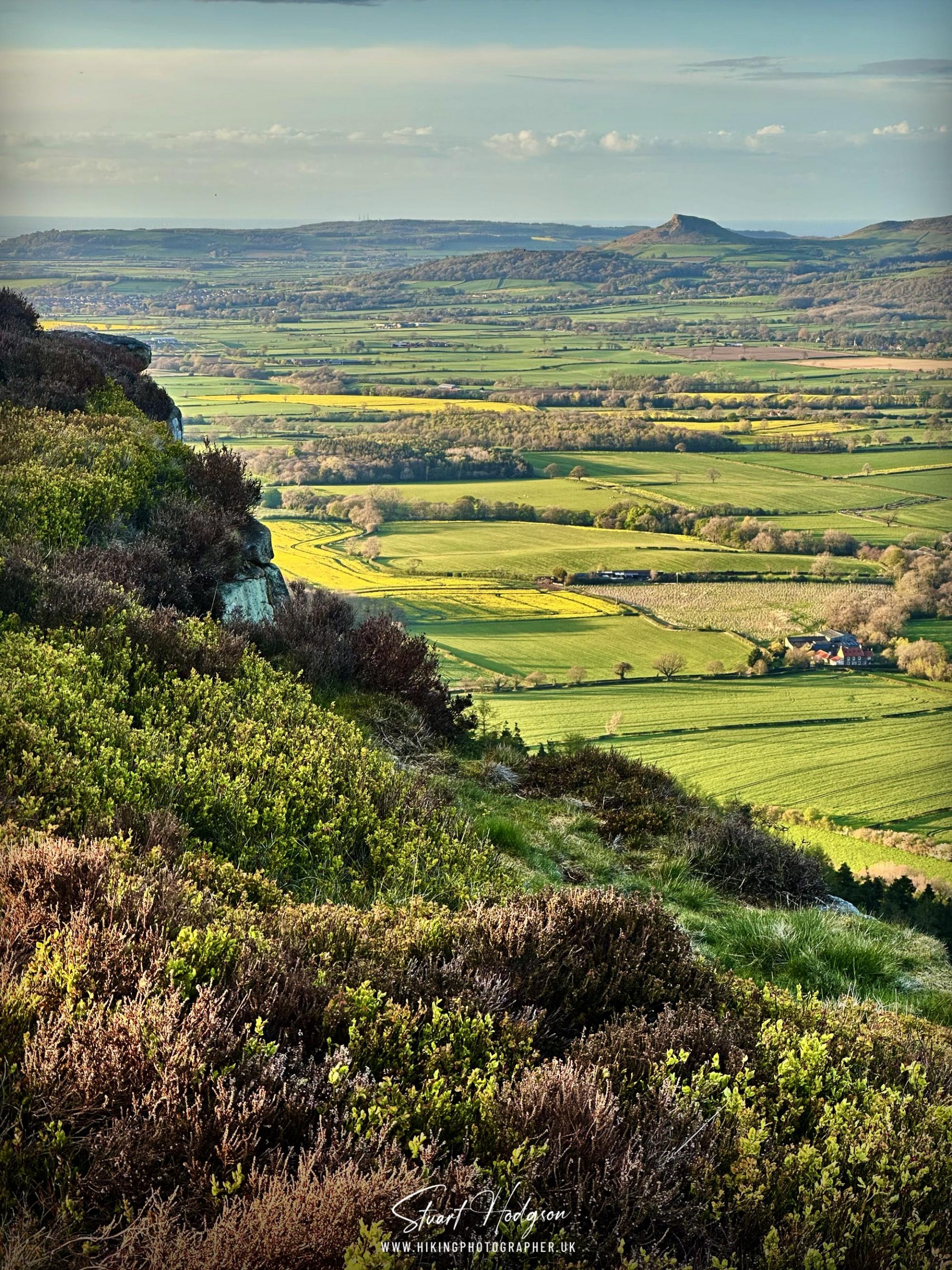
Once you get to the top of the initial ascent the Cleveland Way flattens right out and hugs the edge of Hasty Bank all the way giving superb views of the surrounding area including towards Roseberry Topping.
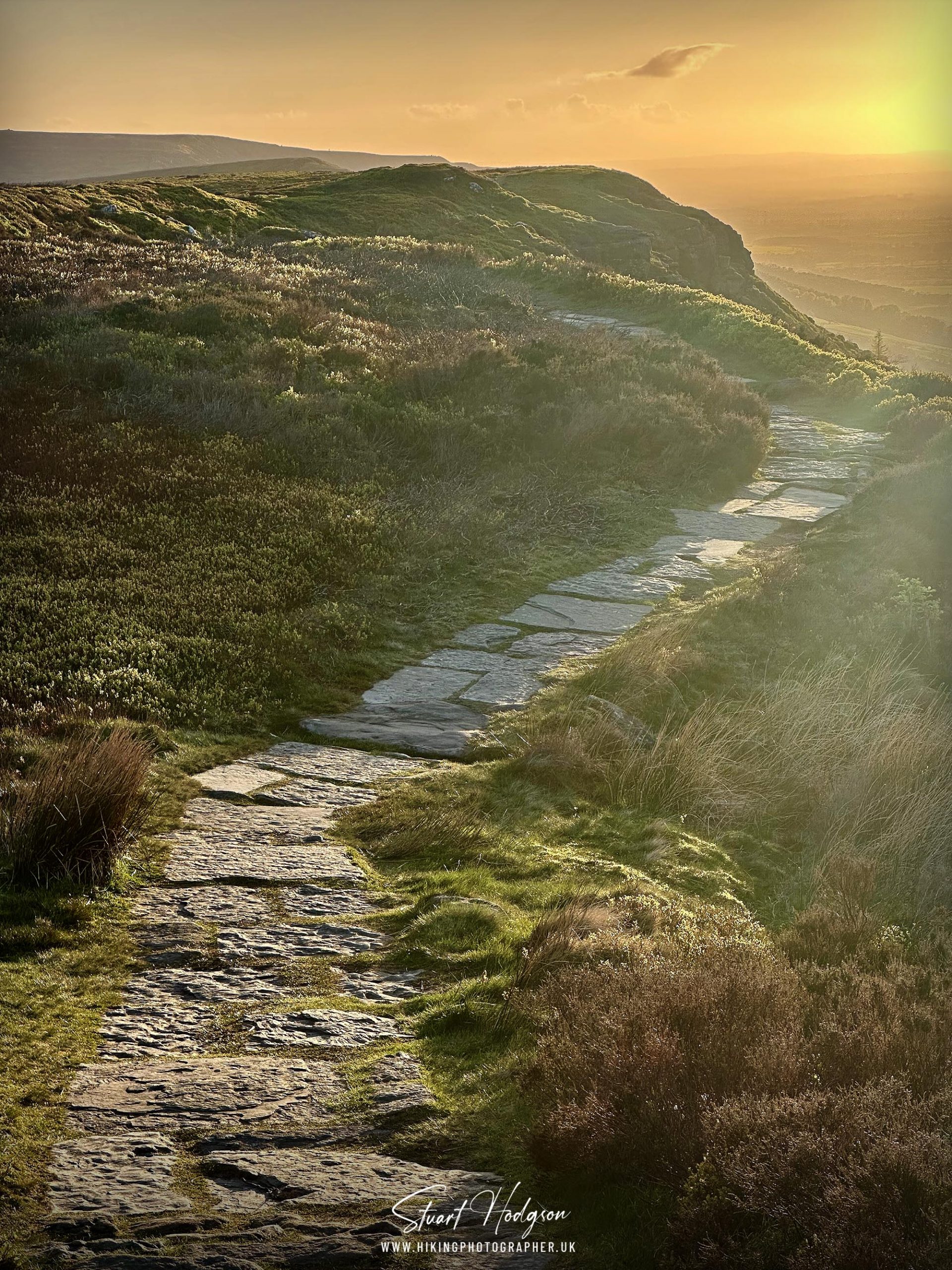
You wont find a path as easy to follow than this section of the Cleveland Way. Walking towards the setting sun is just magical
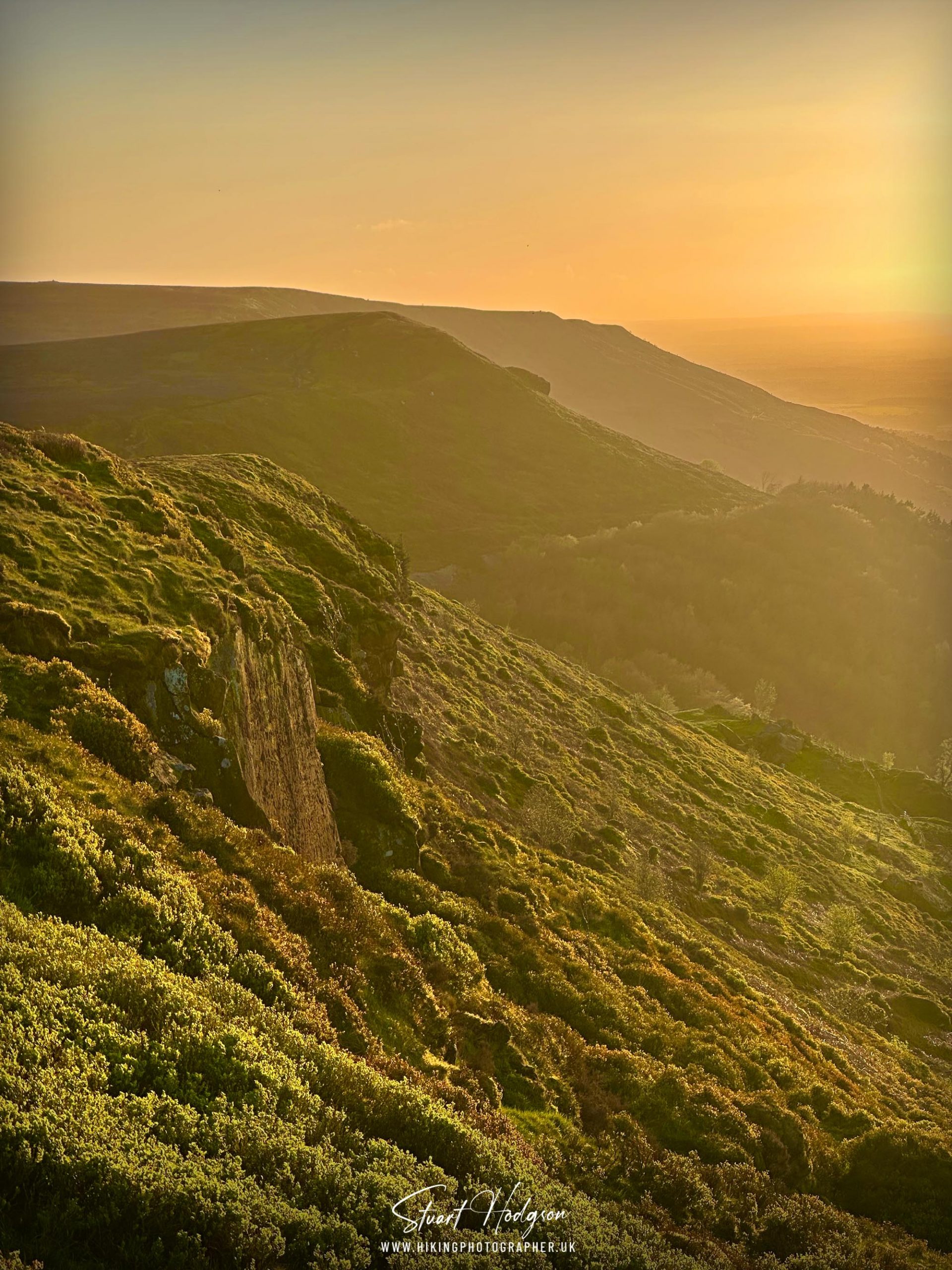
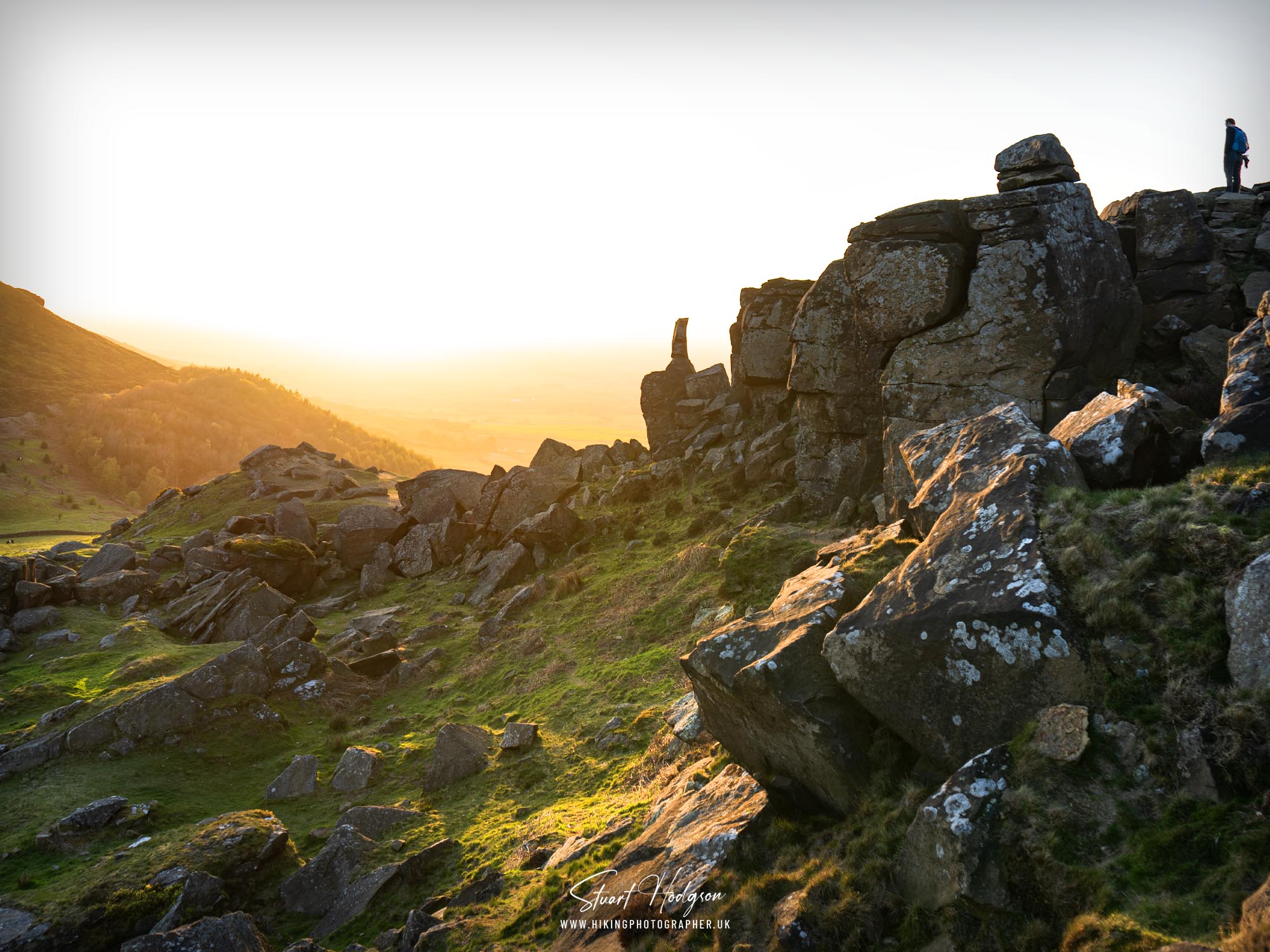
You soon arrive at the Wainstones and it makes for a perfect place to stop and admire those views. If you time it right then the setting sun serves as a spectacular backdrop to the limestione pillars of the Wainstones.
From here just choose your route back as mentioned above in the map route info. On this particular day – as I stayed until the sun was set – so now fighting the light I simply retraced my steps back to the start which took about 45 minutes.
ABOUT THE WAINSTONES
The Wainstones are a striking group of natural rock formations located on the northern edge of the North York Moors in England. These iconic pillars, composed primarily of sandstone boulders and pillars, have a rugged and weathered appearance that has made them a notable landmark for centuries. They are the biggest and most notable pillars of its kind in the area.
The Wainstone name is believed to derive from the Old English word “wain,” meaning wagon, possibly alluding to the shape of some of the rocks. Historically, the Wainstones have been a site of human interest since ancient times, with evidence suggesting that the surrounding moorland was used for grazing, hunting, and even ritual purposes. The dramatic scenery of the area has inspired local legends and folklore, embedding the Wainstones in both cultural and natural heritage. There is even Bronze Age carvings
Geologically, the Wainstones were formed during the Carboniferous period, around 320 million years ago, when sedimentary rocks such as sandstones and gritstones were deposited in shallow seas and river deltas. Over millions of years, natural forces including glaciation, wind, and rain erosion sculpted the landscape, leaving behind these resilient outcrops that resist weathering more effectively than the surrounding softer rock. The tors are often fractured and jagged, providing popular routes for rock climbing and hiking enthusiasts today. Their enduring presence not only showcases the power of geological processes but also offers insight into the ancient environmental conditions of northern England, making the Wainstones a fascinating intersection of natural history and outdoor recreation.




0 Comments