
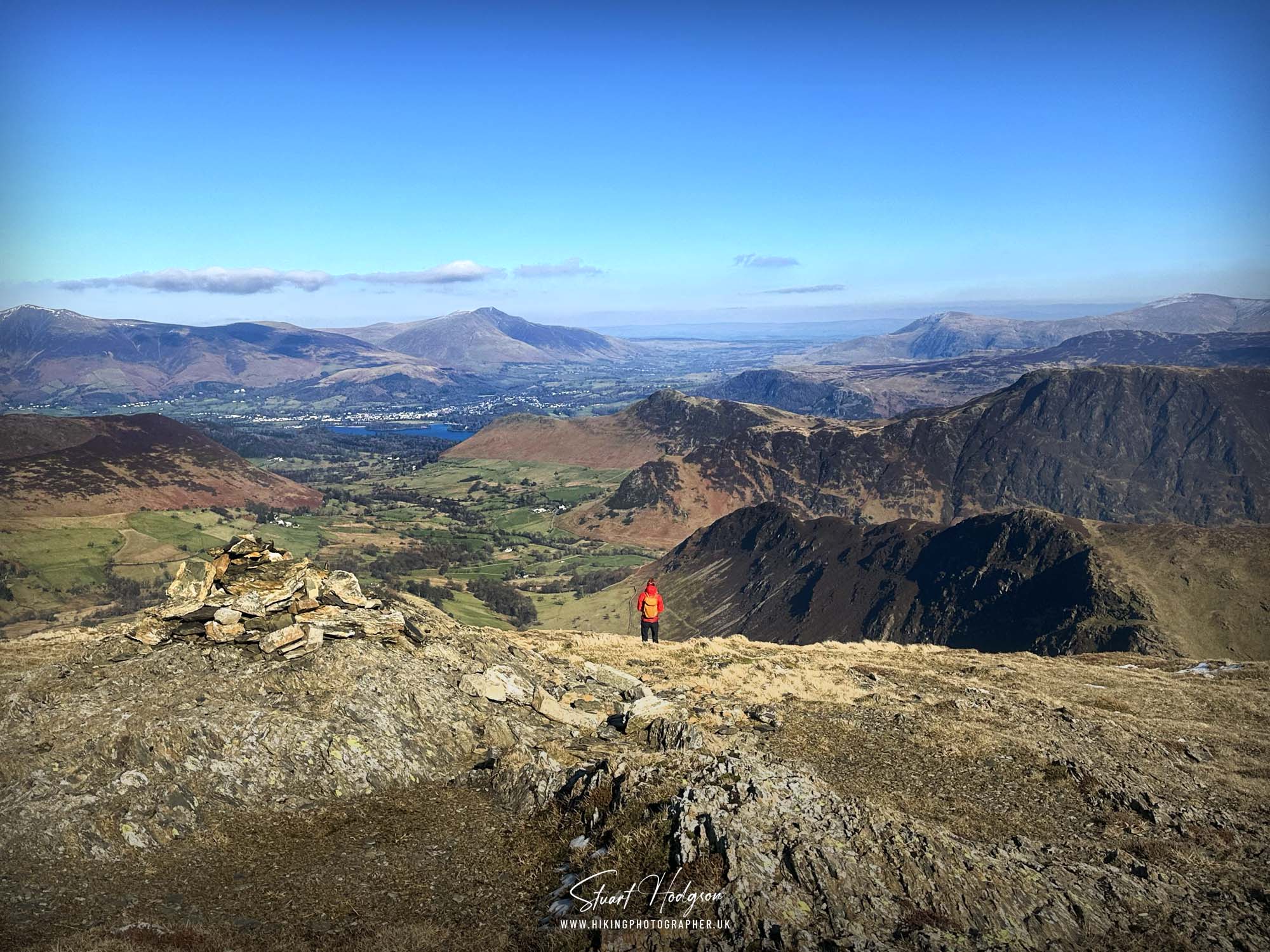
When the weather is good you can get absolutely epic 360 views from the summit of Robinson in the Lake District and you feel like it’s the centre of the Lakes. You can spot all major Lake District summits including Helvellyn, Great Gable, Pillar, Scafell Pike, Haystacks…the list is endless. This shot is looking North East over towards Catbells, High Spy, Derwent Water, Keswick, Blencathra, Skiddaw and beyond. Robinson is a must-do Lake District summit and read on to learn about my favourite hiking route to tackle this mighty fell….
MY FAVOURITE ROUTE TO THE SUMMIT OF ROBINSON FELL IN THE LAKE DISTRICT
There are plenty of ways to climb Robinson, but starting from Little Town in the Newlands Valley gives you the best circular route in my humble opinion (if you don’t mind a little bit of easy scrambling!). It’s a route that packs a lot into a relatively short distance — steep craggy ground, wide grassy ridges, scrambling which always is a bonus for me and keeps the route exciting. You’ll get expansive views and is definitely one of the Lake Districts best walks.
WALK OVERVIEW:
DISTANCE: 7.5 miles
TIME: 4-5 hours
TOTAL ASCENT: 2688ft
DIFFICULTY: Challenging

ROBINSON WALK MAP ROUTE FROM LITTLE TOWN
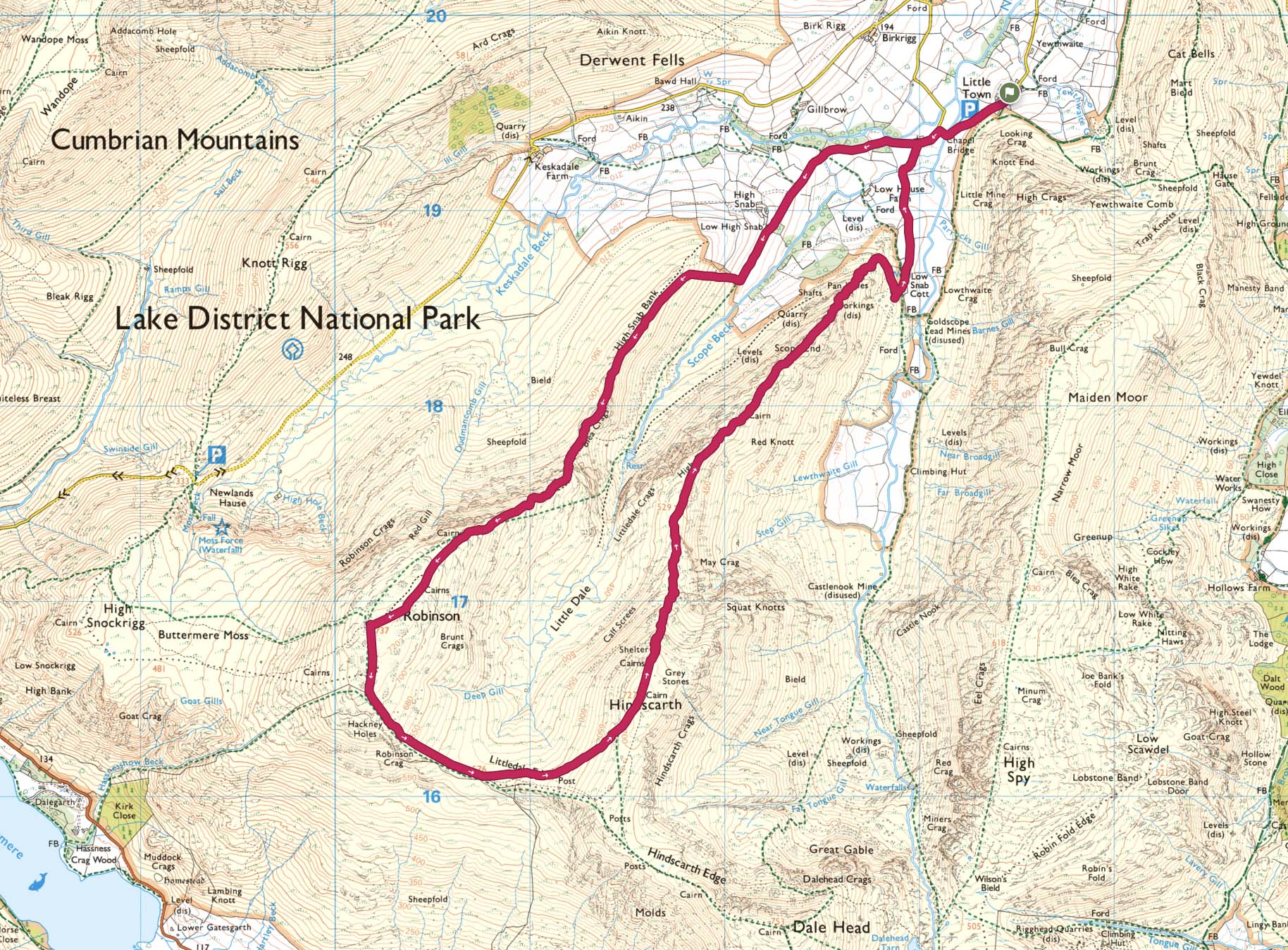
Here’s my preferred route to walk to the summit of Robinson from Little Town. It’s best done in an anti-clockwise direction as for the 2 steepest sections I think it’s best to go up via Robinson Crags and down via Scope End (which are the 2 scrambling sections). The route is pretty easy to follow, although you can make your own way scrambling up Robinson Crags. The views from Robinson are pretty special, with the views from Hindscarth being equally impressive. You can view the interactive OS map route by clicking the button above (and find out more on OS maps below if you are interested)

OS Maps - my Recommended App
I've tried a few map apps on my phone and settled on OS Maps, to access detailed UK Mapping. You can plan, save and download mapo routes, such as those on this site, direct to your phone, and then see where you are exactly on any route even when you have no signal - so you can't get lost! It's helped me discover loads of new walking routes too and you can get a free 2 week trial via the button below.
OUR ROBINSON WALK in the lake district
Even though it’s an excellent walk and a pretty well known Lake District Fell, I don’t think there is lots of info on Robinson compared to other prominent Wainwrights and there’s not many resources to give you a feel for this particular route – so I thought, as ever, I’d share some pics and a little write up, to hopefully inspire you to give it a go and to give you a good idea of what to expect.
I did this Robinson walk in early March with a couple of mates and there was some snow kicking around on the very high fell tops which I always think adds to the drama. More importantly it was a sunny day with not a cloud in the sky (rare I know!) and visibility was good!
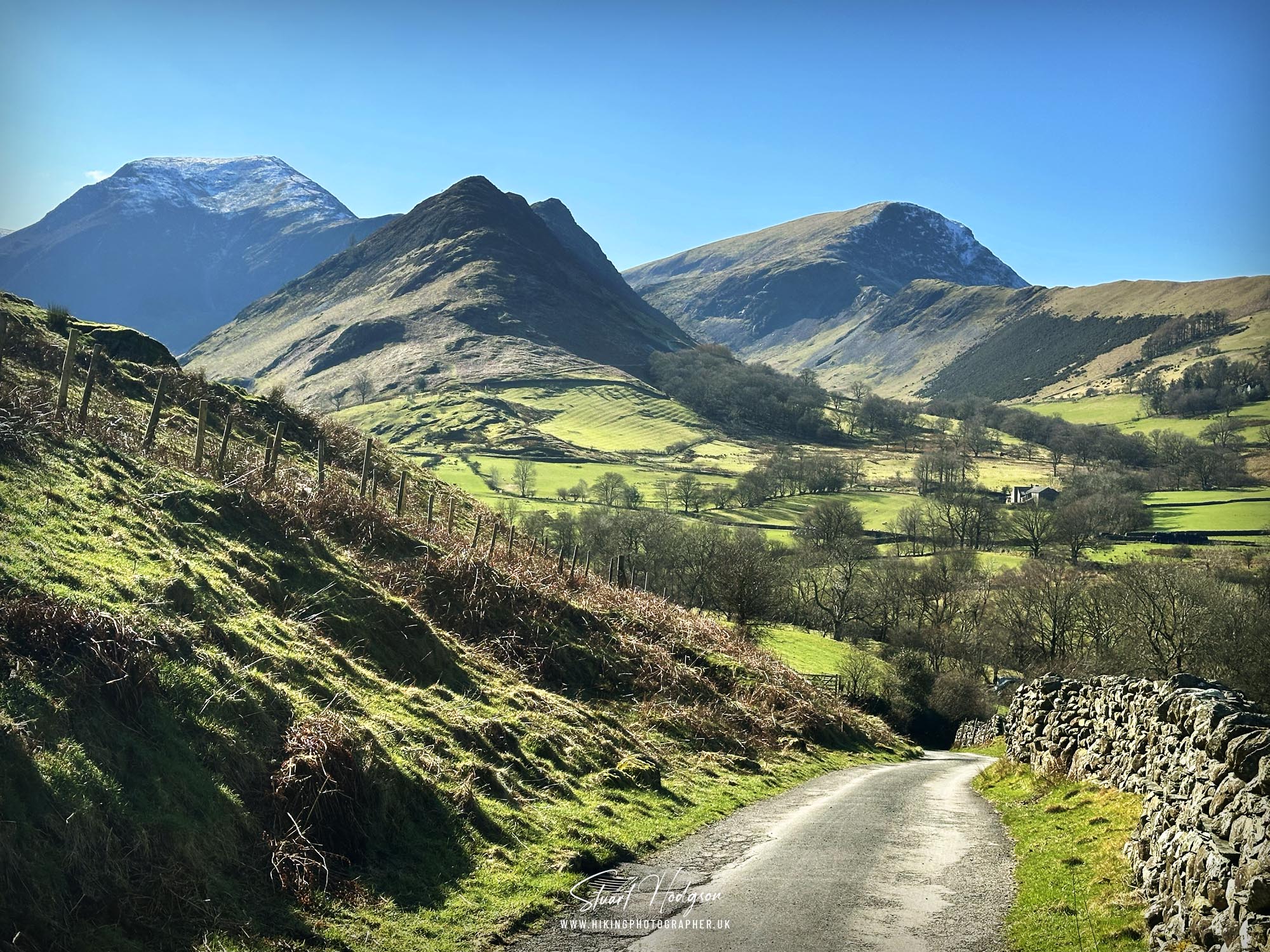
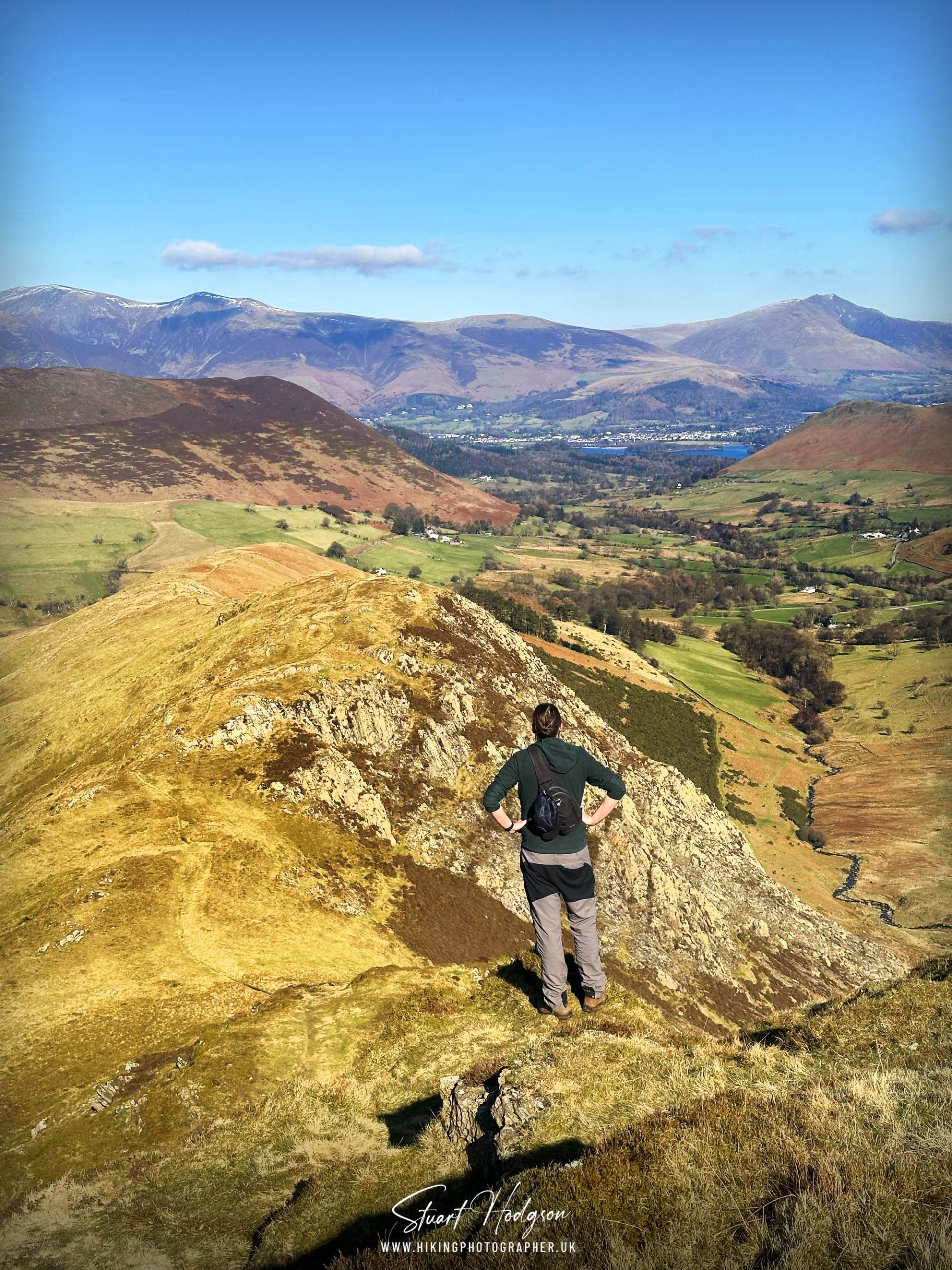
Right at the start of this walk you can see the major features of the walk mapped out in front of you – you have the summit of Robinson to the right with Robinson Crags and High Snab Bank leading up to it – the summit of Hindscarth to the far left, which we will head to after Robinson and then descend and eventually come down via Scope End which is the smaller peak in the middle of the pic
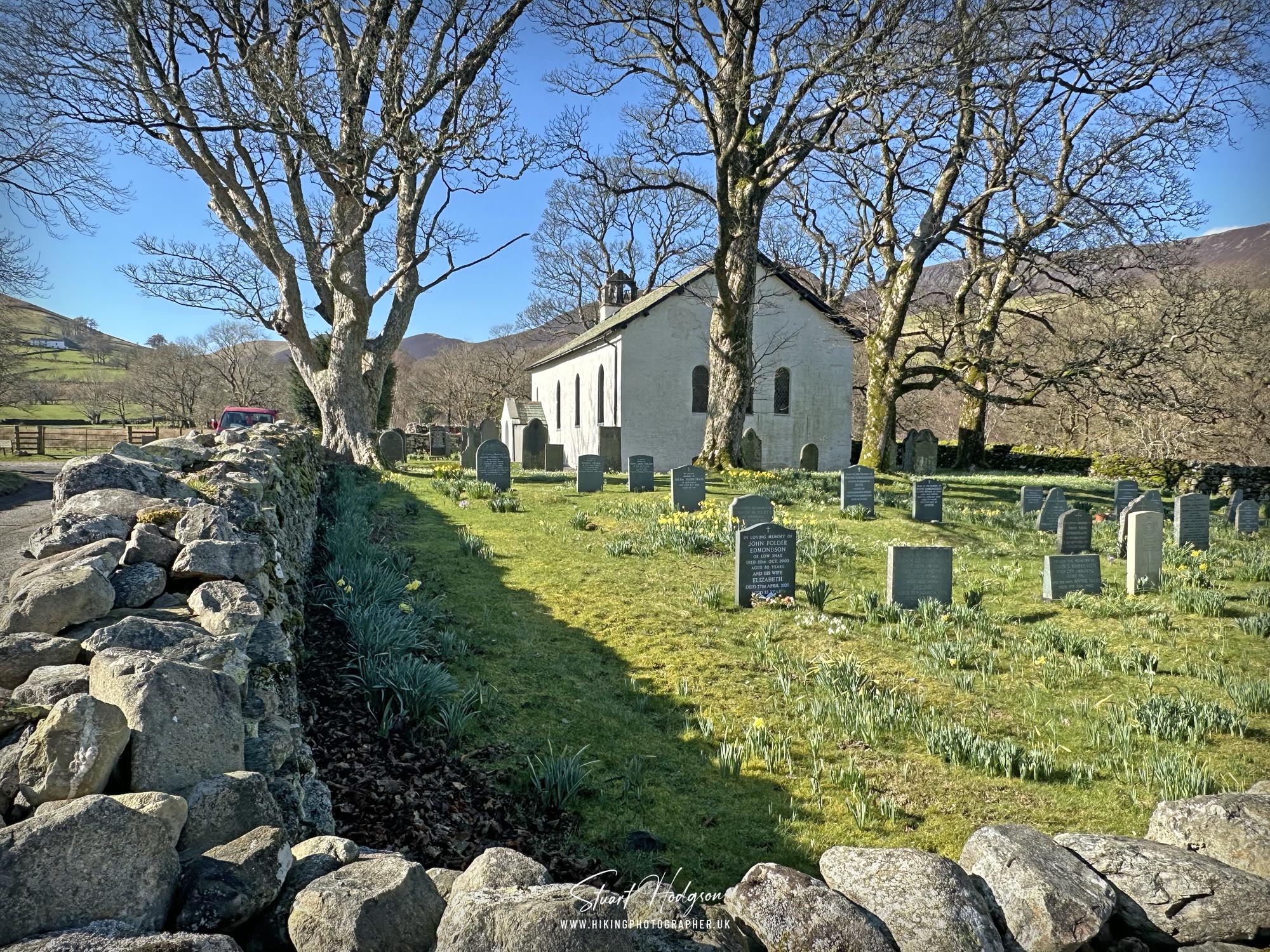
The quaint Newlands Church. At this point you leave the road and it’s all footpaths from here, all pretty easy to follow.
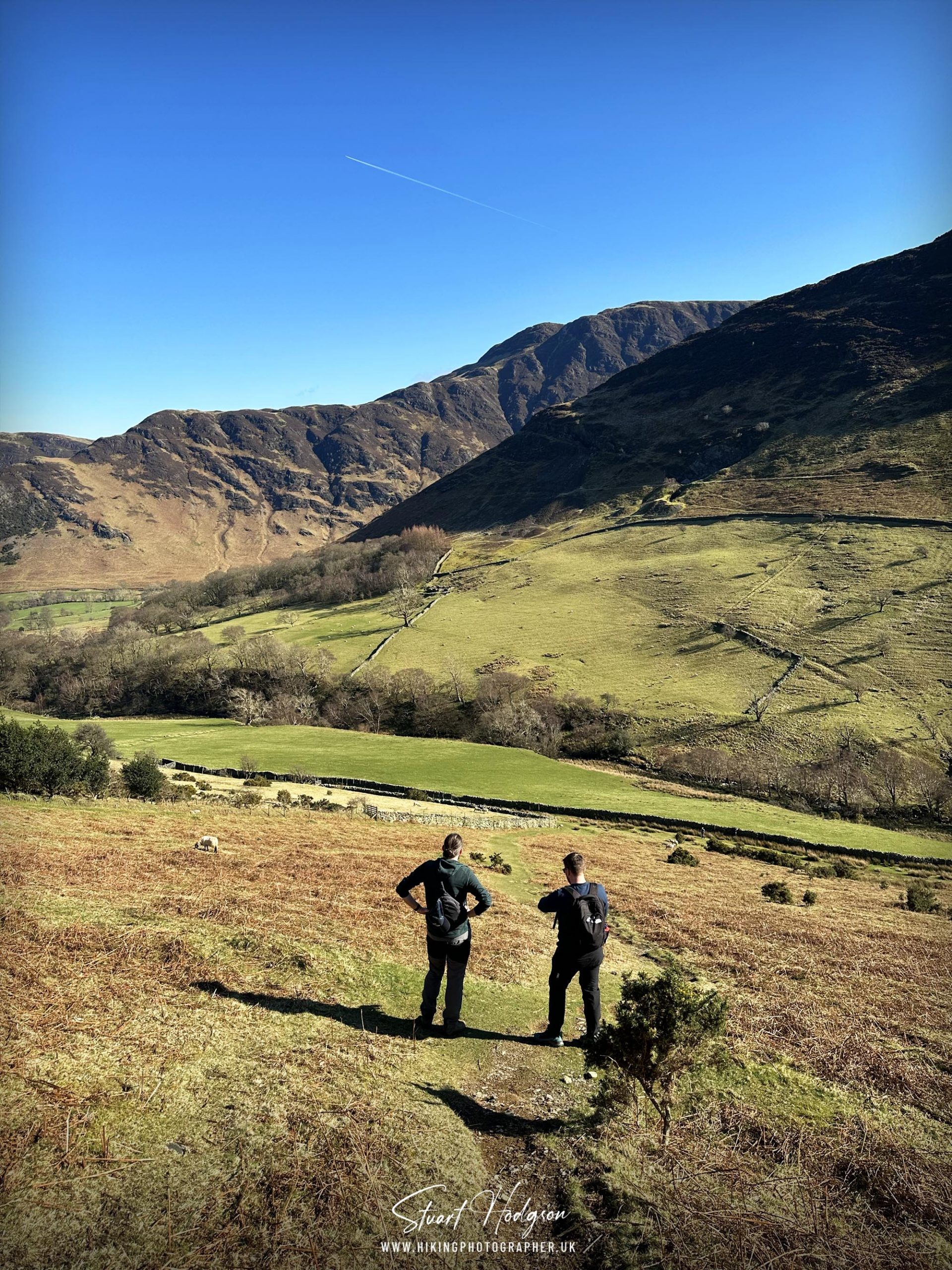
The section of the path that stops tracking Scope Beck and leads you directly up to High Snab Bank is the steepest section of the walk (or certainly feels that way as we are yet to warm up properly – def need to ‘admire the views’ a few times here!).
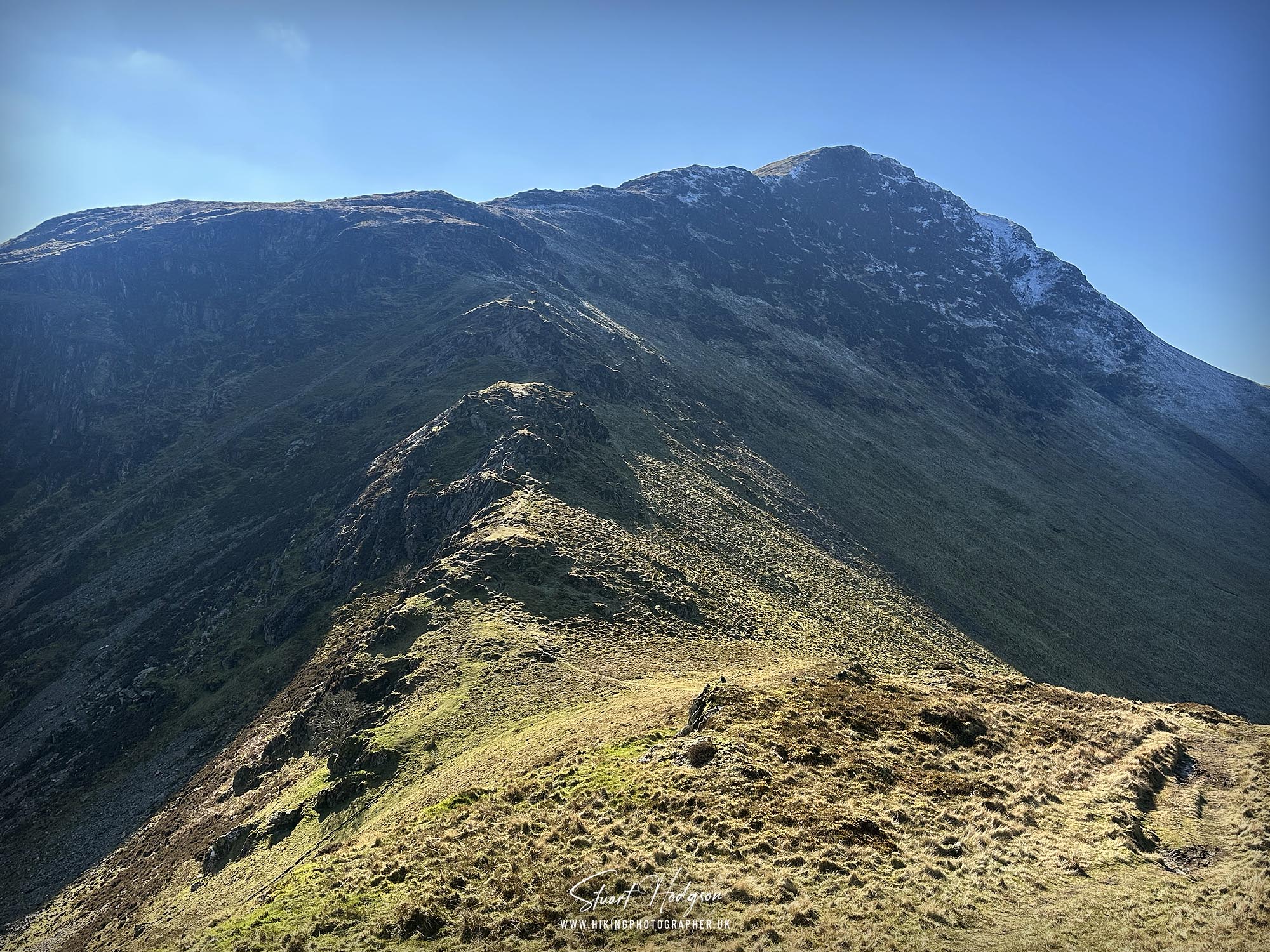
Looking along to Robinson Crags with Robinson summit in view. It looks imposing but the route here is pretty easy to follow but you will need to do a bit of scrambling wuth yiur hands – although it never feels too exposed or particulary dangerous. It would be tricky with dogs though here.
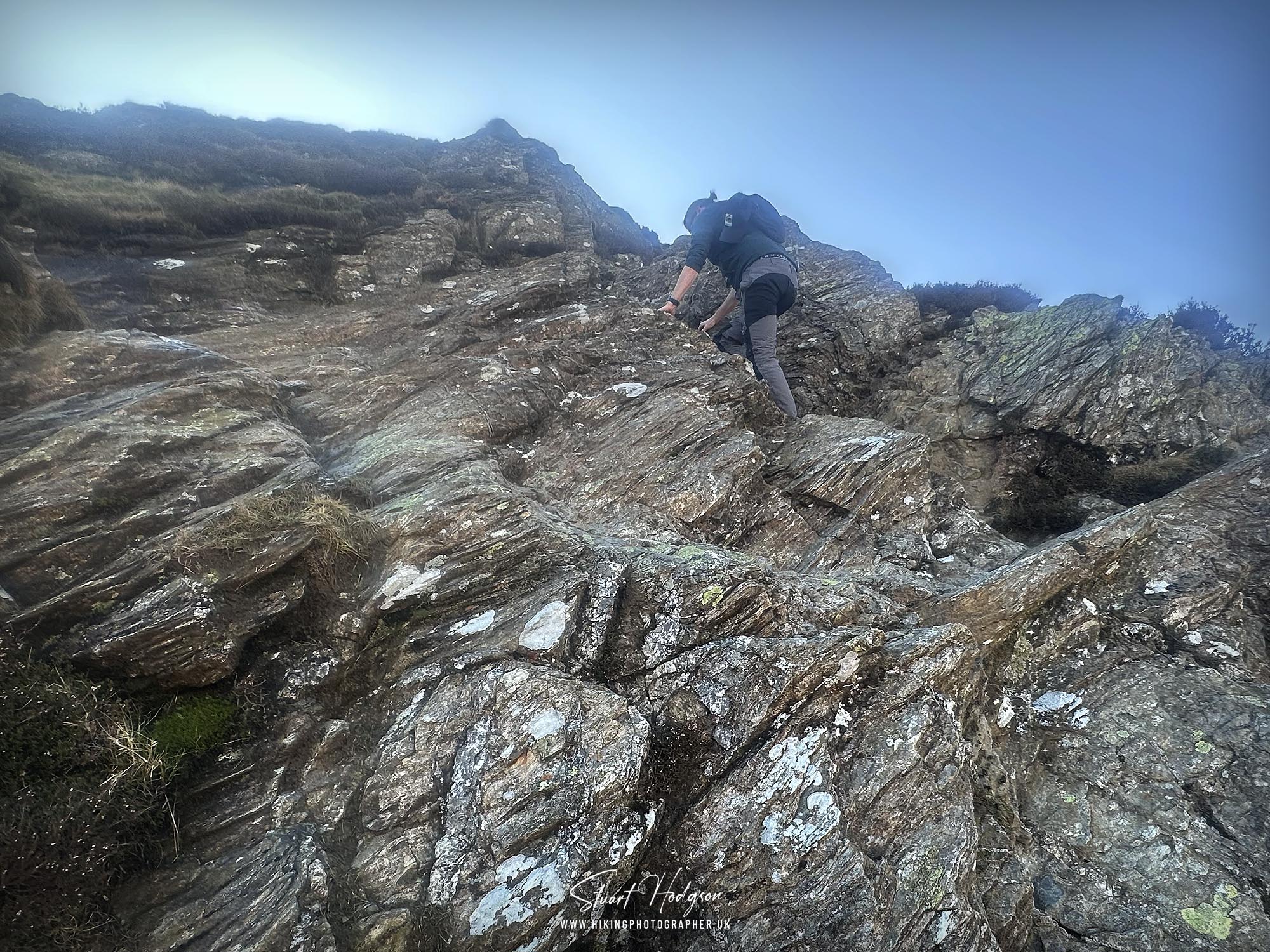
Above: This is the most tricky part to scramble up but it doesnt last long (maybe 5 mins?). There are plenty of hand and footholds in the jagged rock and you just make your way up. There was patches of ice kicking around today which made it trickier than usual but again nothing too difficult as long as you’ve always got a hand and foothold. This is the reason I say do this walk anti-clockwise as it’s much more fun (and easier) going up Robinson Crags than coming down!
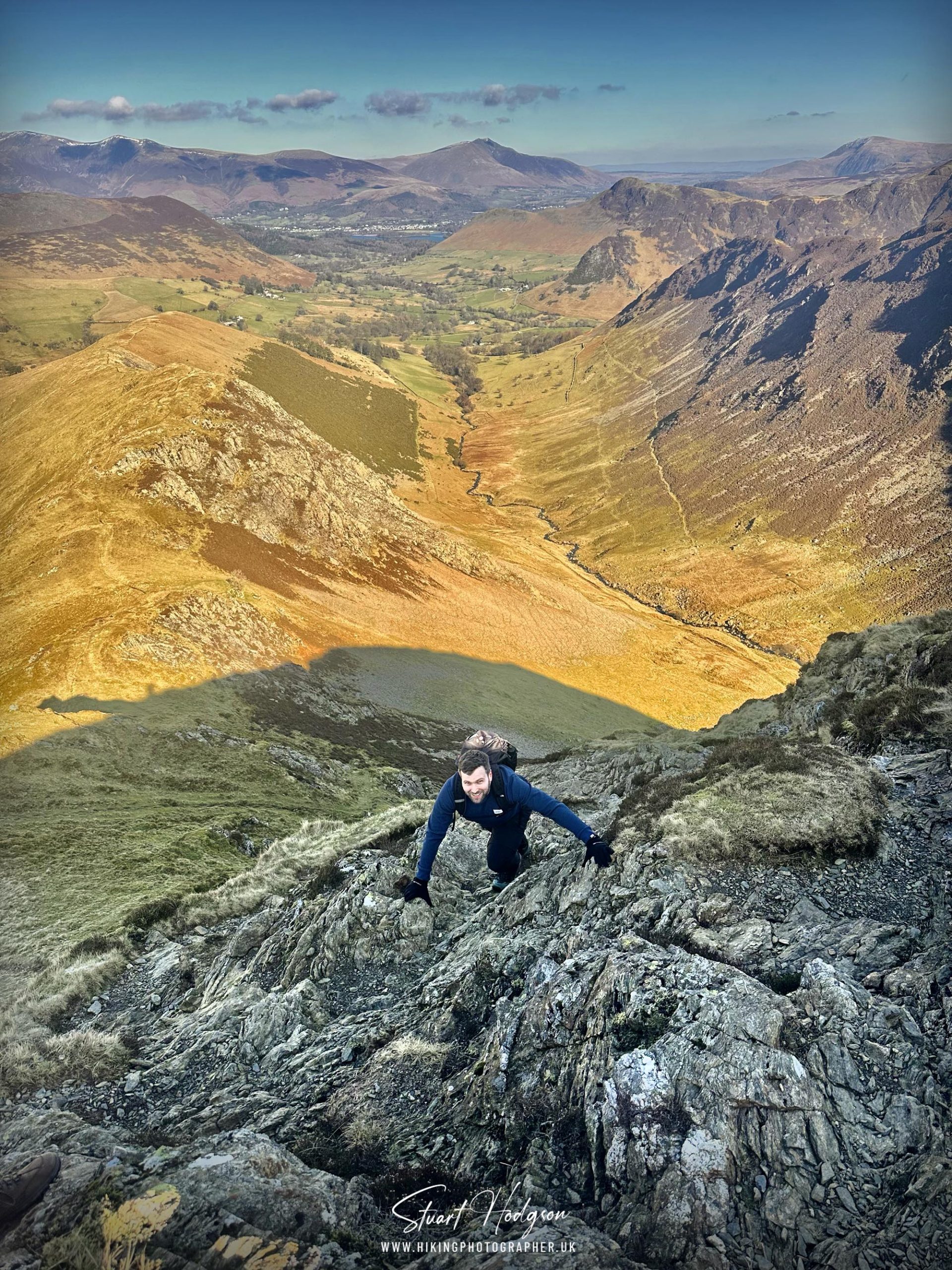
After 5 mins or so the fun scrambling section up Robinson Crags is done and the views really open out and are pretty impressive.
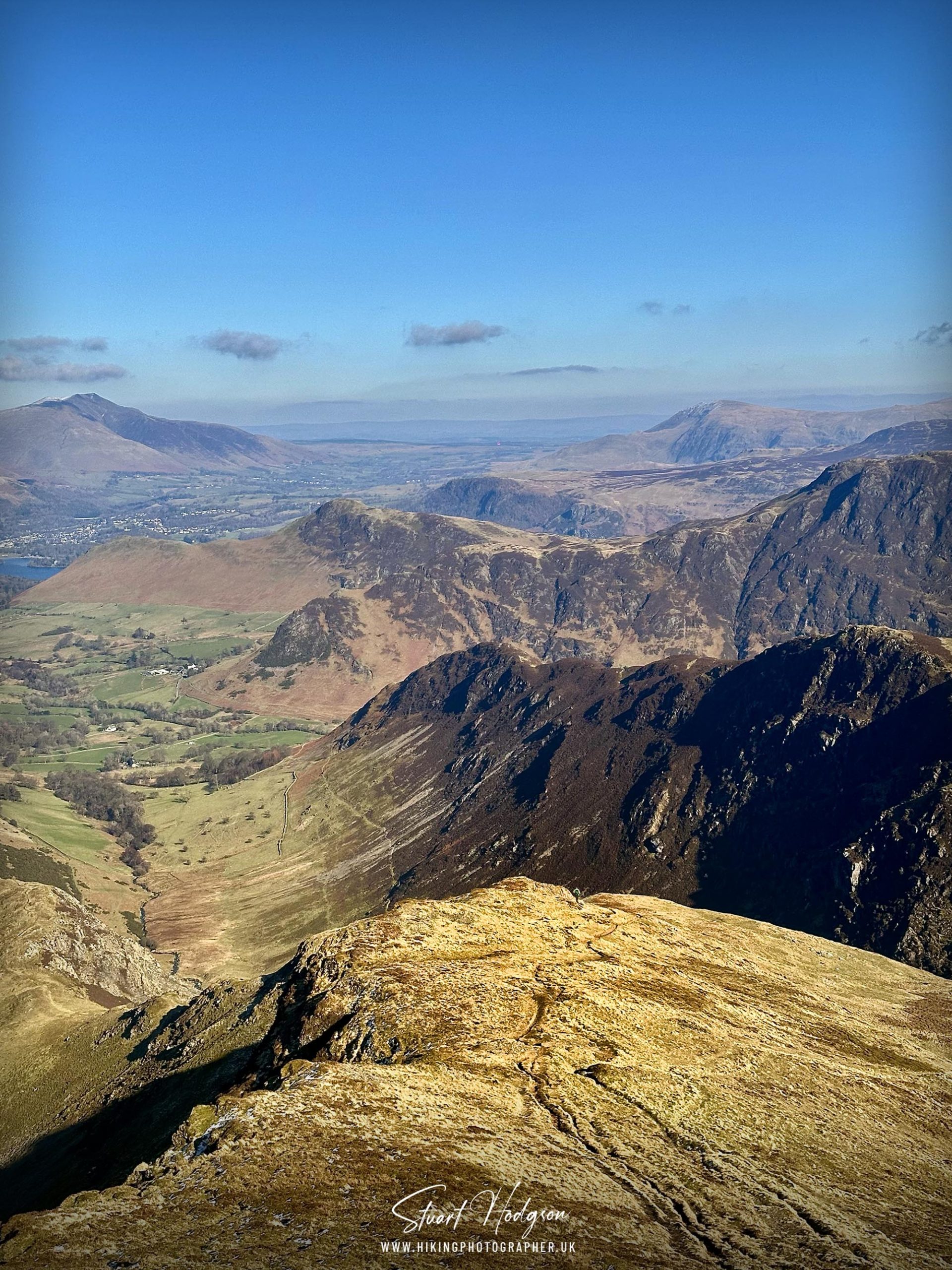
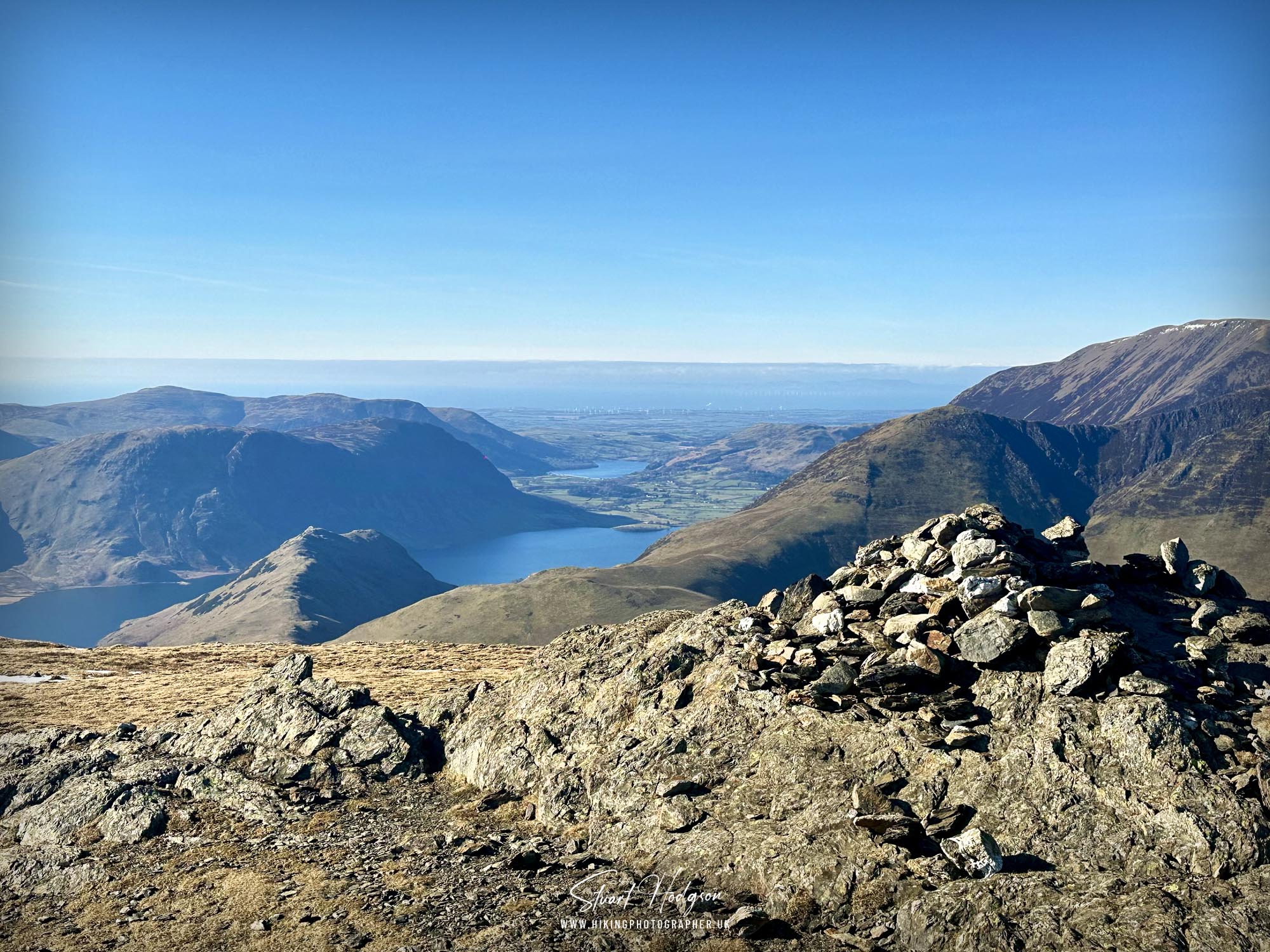
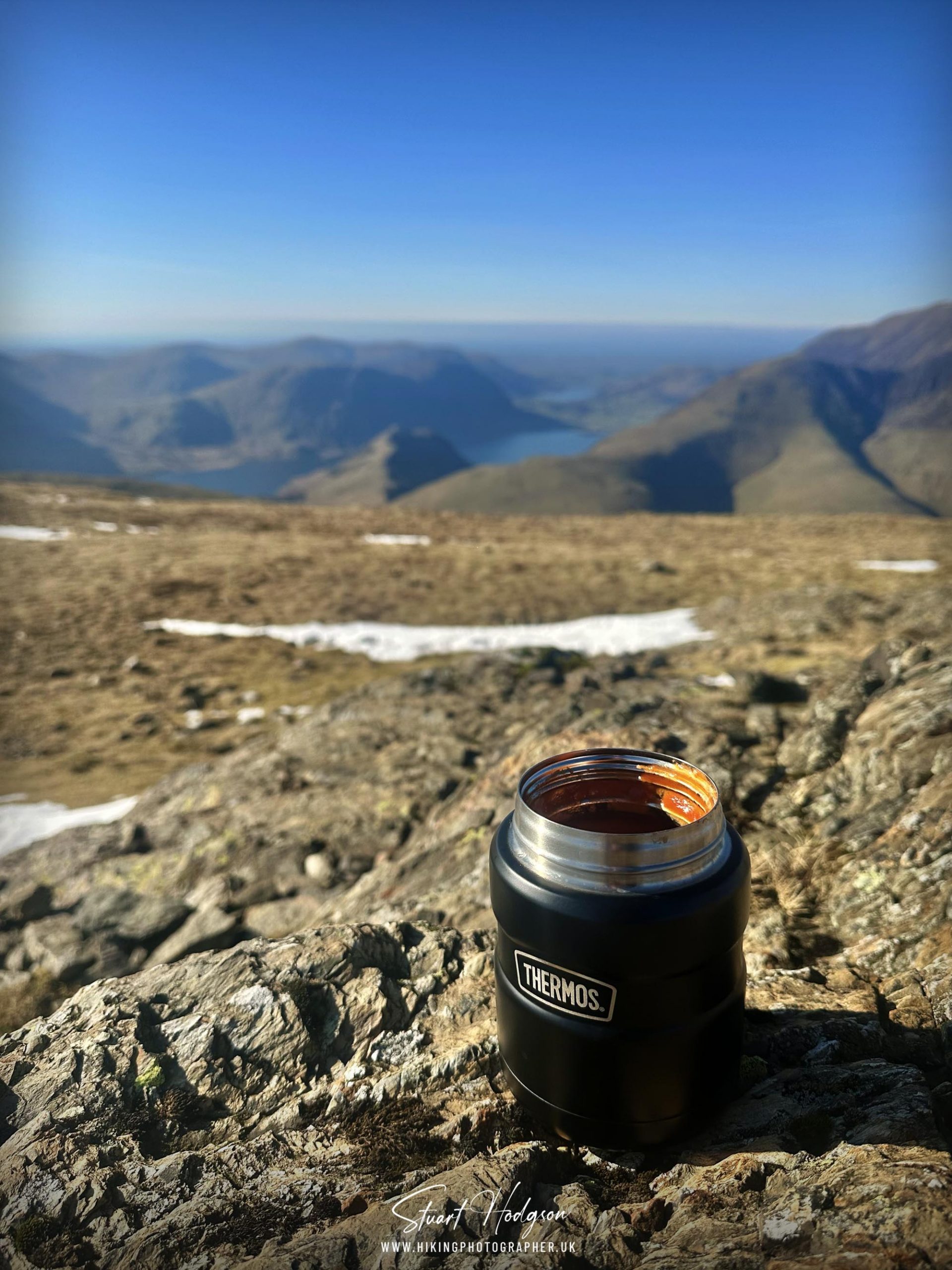
From the summit of Robinson the views west look out over Crummock Water and Ennerdale towards the Irish Sea. Around teh summit cairn you’ll find some shelter from teh wind and is a perfedtc spot to chill, eat some food and soak in the lake District views. It was chilly today and it’s a real treat to whip out my Thermos of Tomato soup to keep warm (I’m developing a bit of a reputation for my Tomato soup haha)
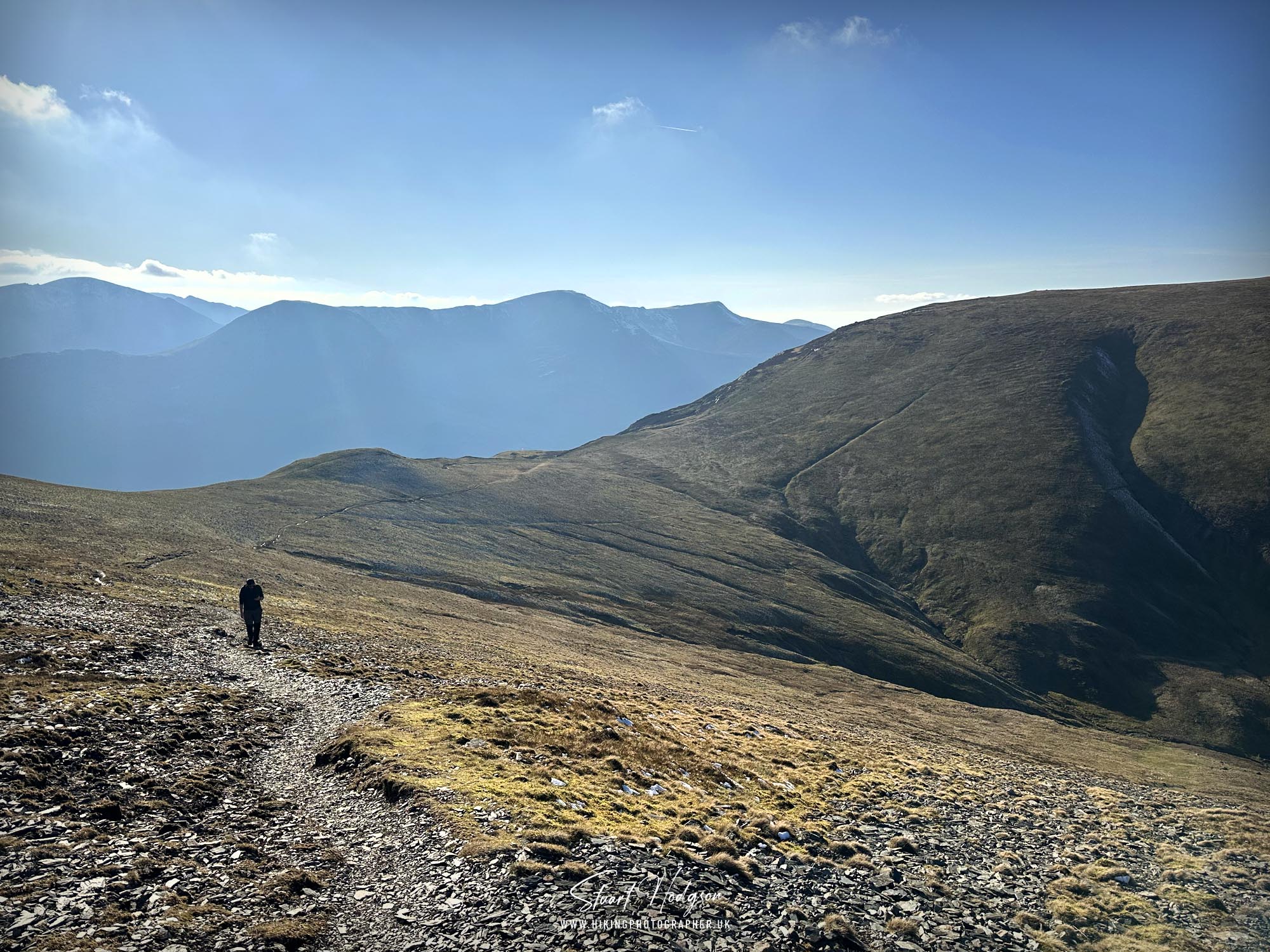
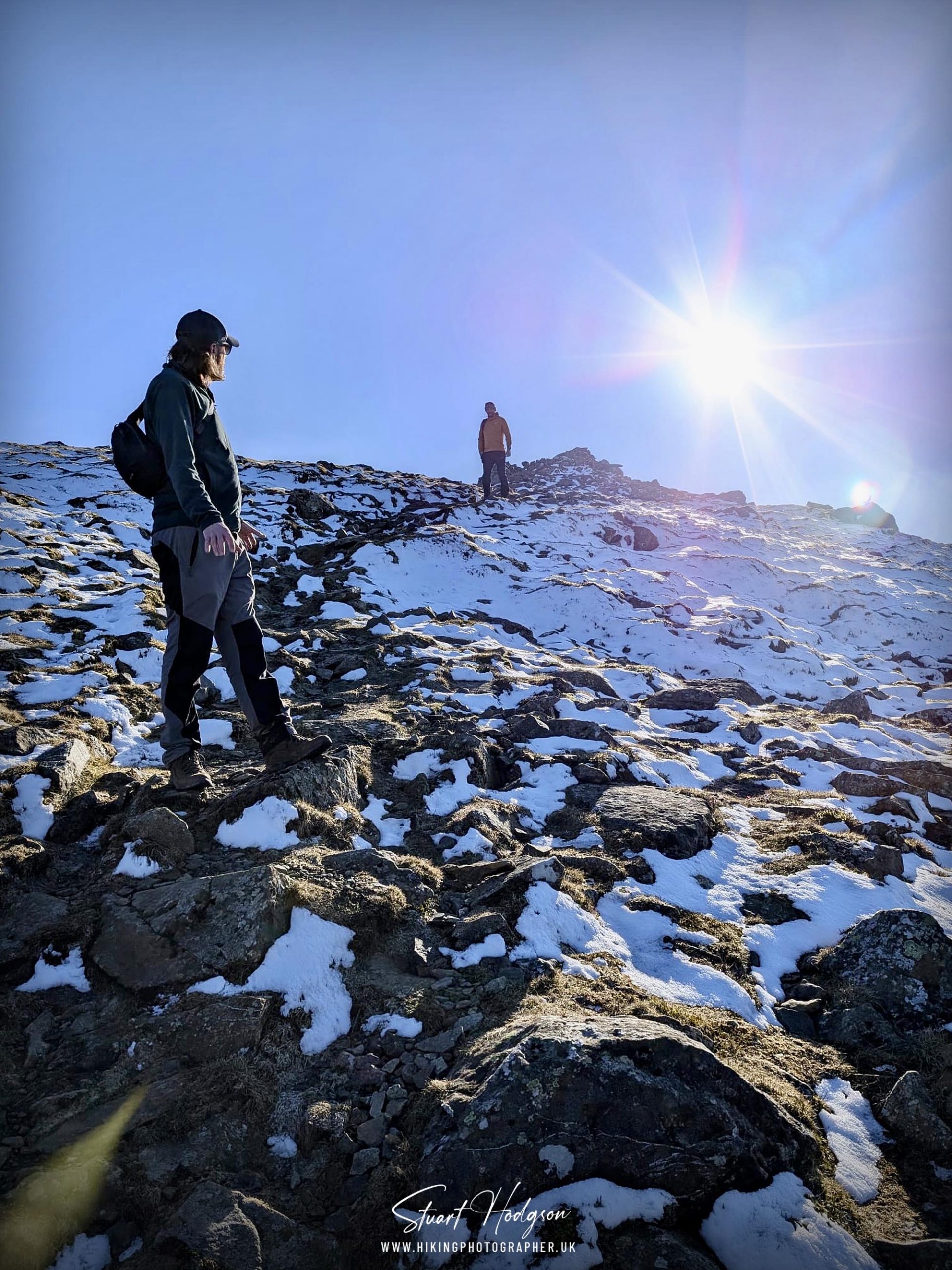
The northern slopes are still covered in snow so it takes a bit of care decending from Hindscarth today, but thankfully any ice had thawed so it’s pretty easy going. I had actually brought my spikes today but they weren’t needed (alwasy good to pack spikes if you think there is a chance of ice)
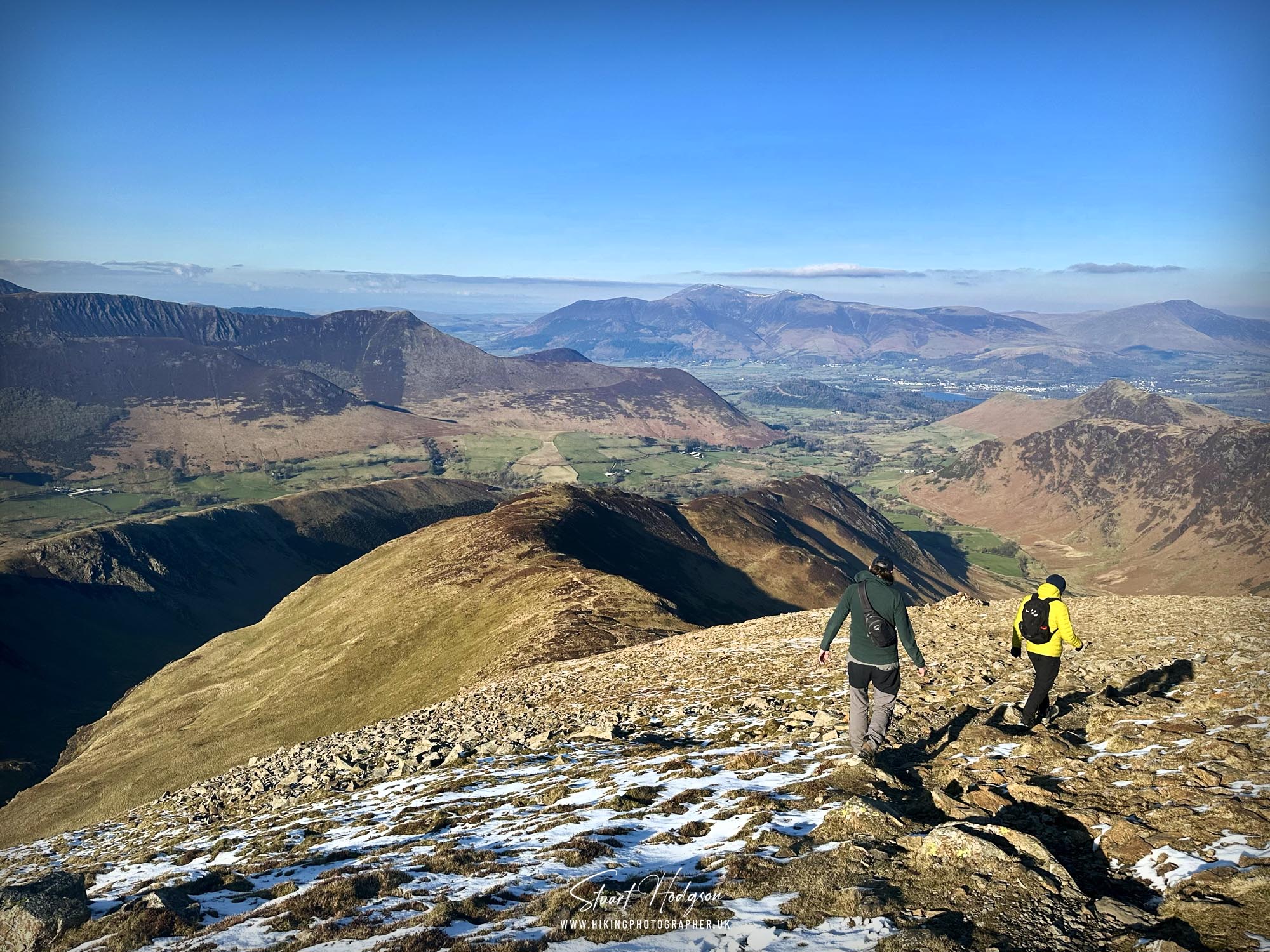
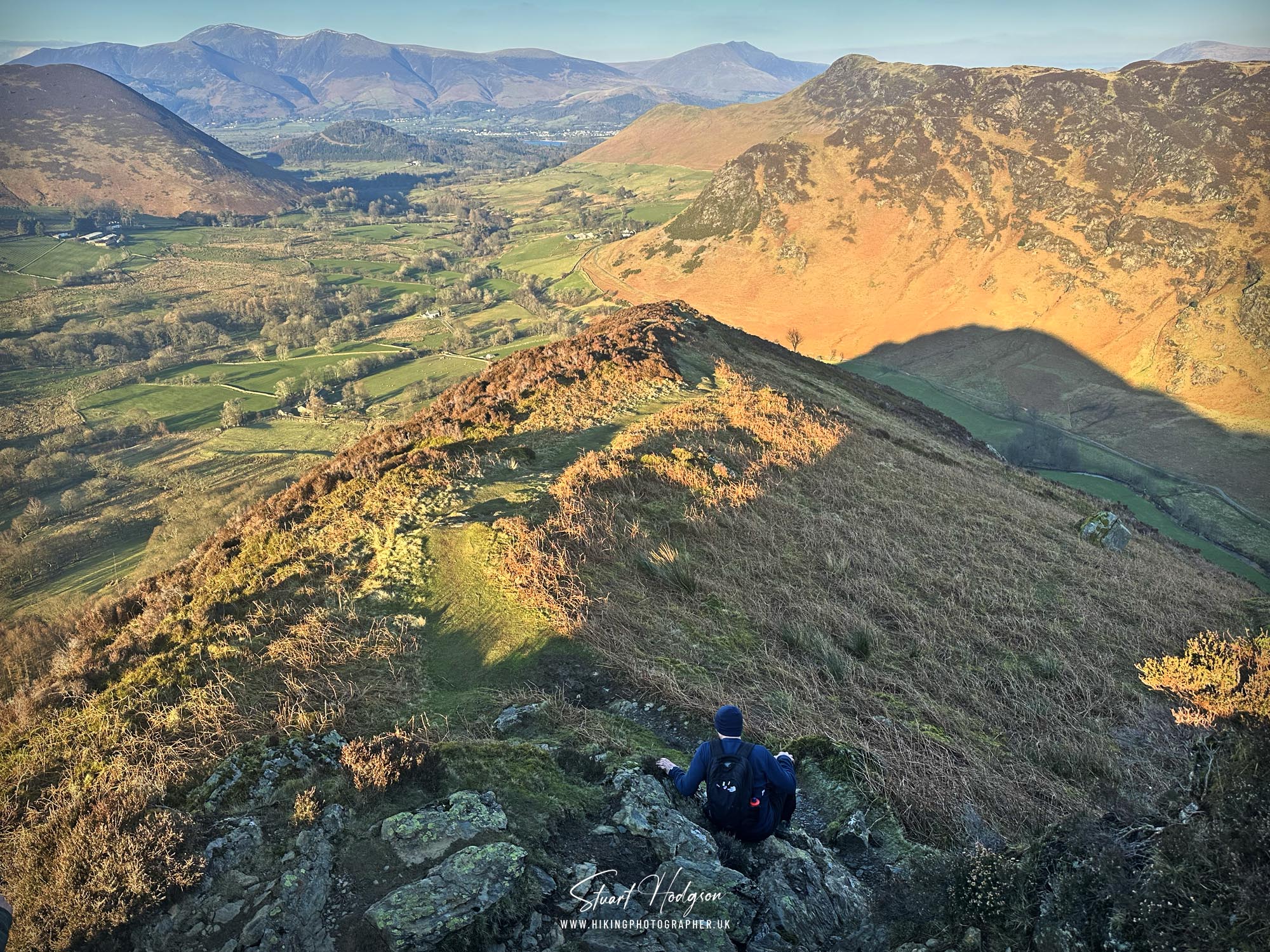
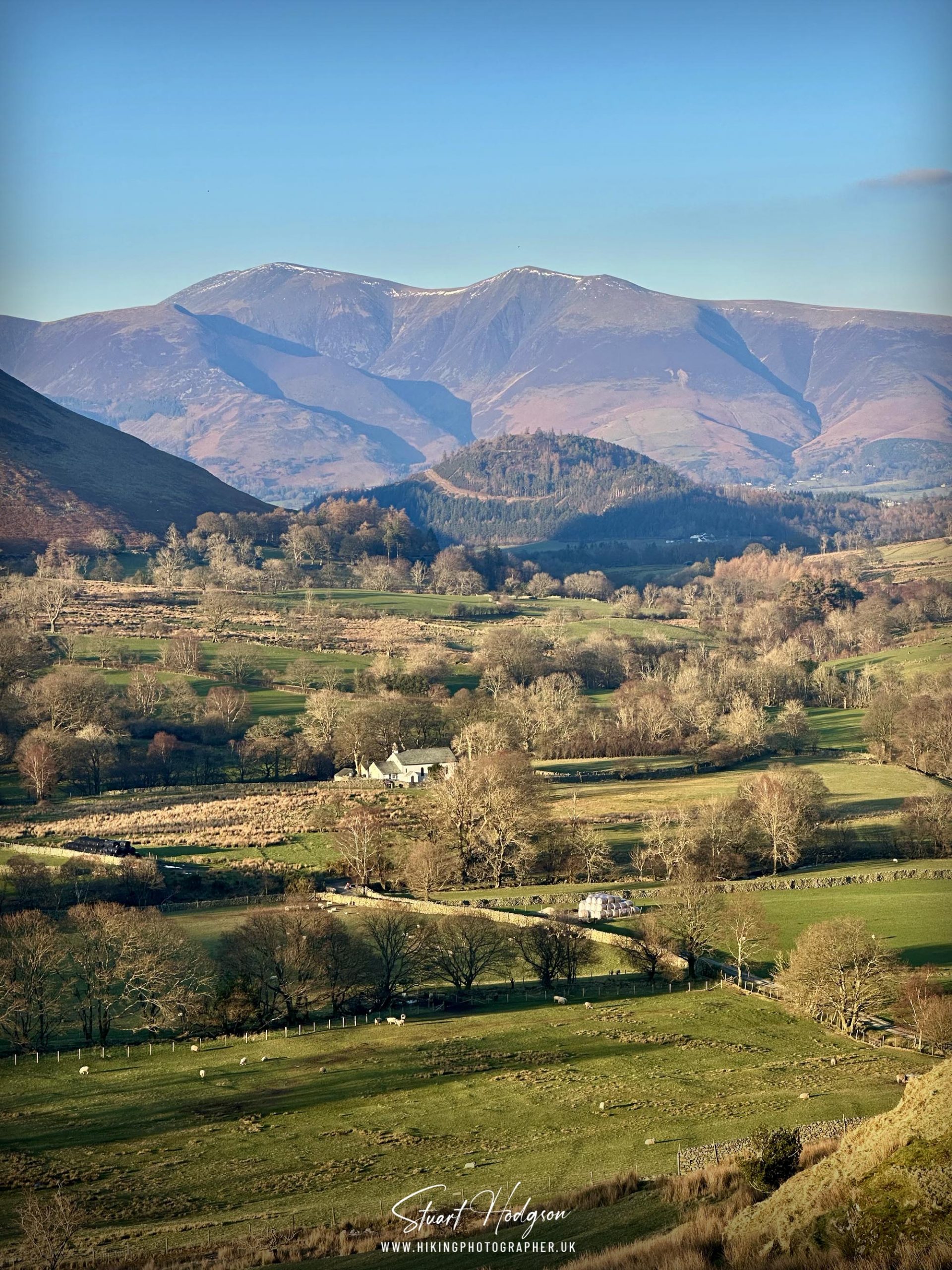
On the descent the mid aftrenoon sun was illuminating the northern fells as you walked towards them and this was my favourite vista today with many recogniseable and familiar Lake District peaks in full view.
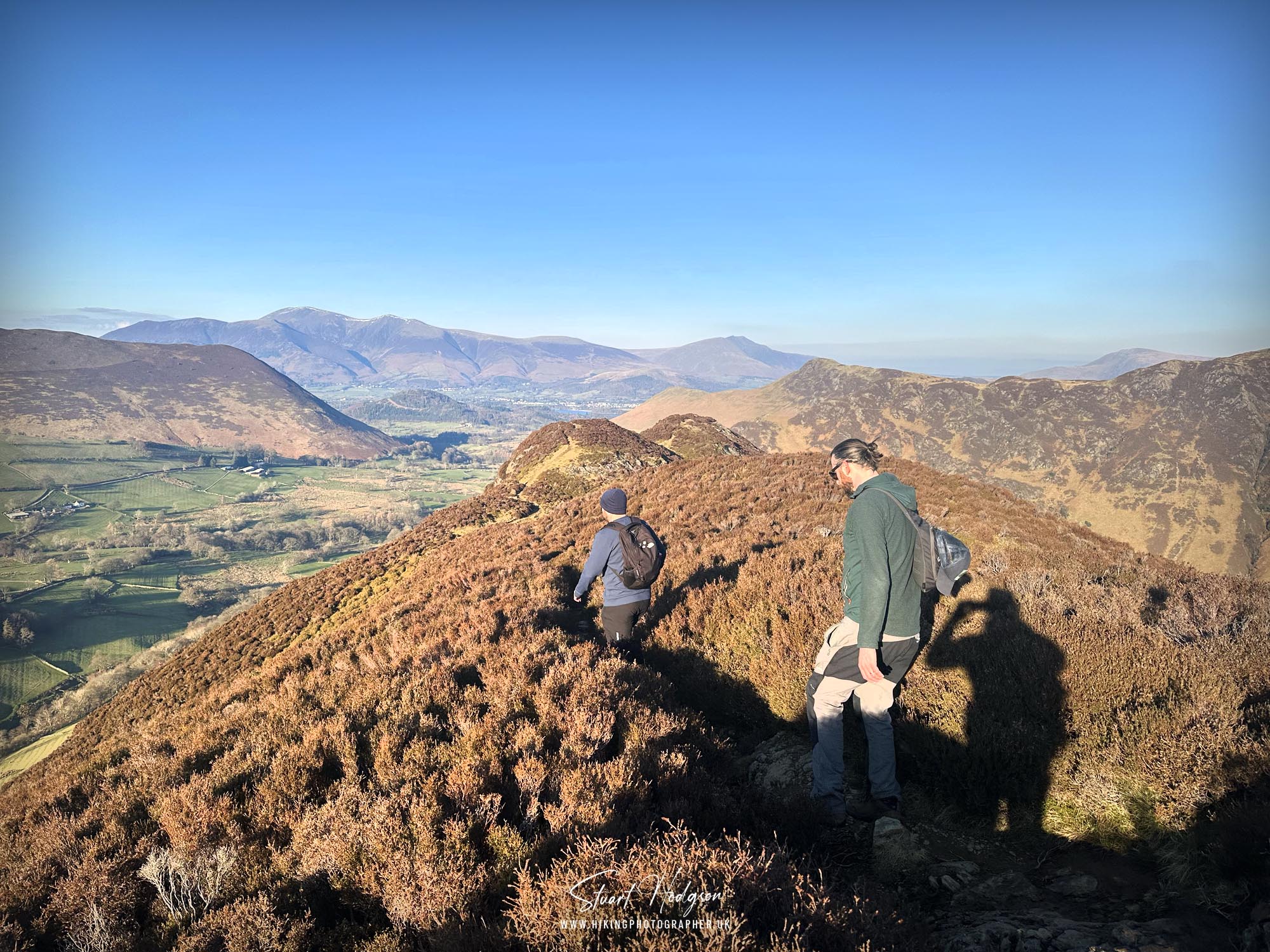




0 Comments